

typical turnaround time with a flexible PCB supplier
Achieving rapid turnaround times for your flex PCB is critical. Meeting product development schedules, outpacing competitors, and addressing unexpected demand surges all hinge on the speed of manufacturing. Standard PCB fabrication lead times can span two to eight weeks, but quick-turn services offer significantly reduced timelines. Here’s what to look for when selecting a fast-turn flex manufacturer.
The typical turnaround time with a flexible PCB supplier depends on many factors, including the complexity of the board, component availability, and assembly method. For example, if your circuit board requires specialized materials that are in high demand and on backorder, this can slow down the production process. In addition, some manufacturers only have the capacity to produce PCBs in certain volumes during peak season, so you should check with your selected supplier to understand their current turnaround capabilities.
When choosing a flexible pcb supplier, look for a company that has experience in your specific design and production needs. They should have the proper infrastructure to meet your requirements, including a large and skilled workforce. They should also be able to provide a range of customization options, including materials, thicknesses, and layers. You should also evaluate the quality of their products by reviewing UL certifications and customer testimonials.
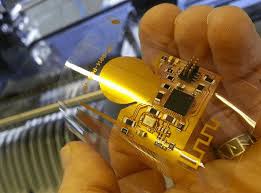
What is the typical turnaround time with a flexible PCB supplier?
Flex PCBs are an essential technology in today’s electronics, offering unprecedented flexibility in the way we create and assemble electronic devices. They can bend and flex to accommodate a variety of shapes, form factors, and mechanisms, expanding the possibilities for device designs and eliminating space constraints. With a flex printed circuit board, engineers can integrate interconnects in wearables, medical devices, consumer electronics, and any other devices with dynamic movement or tight space restrictions.
To achieve a quick-turn flex PCB, you should choose a manufacturer with optimized stocking of key materials to reduce procurement times. You should also provide the manufacturer with accurate material specifications to avoid delays if required parts are in short supply or on backorder. Lastly, you should choose a supplier that offers SMT or through-hole assembly to reduce assembly times and labor costs.
A reliable flex PCB supplier will deliver cost-effective, high-quality solutions that meet your deadlines. They will offer a one-on-one relationship with an experienced planning, engineering, and production team to meet your goals and exceed expectations. In addition, they will offer custom services, including RFQ evaluations and DFM analysis, prototyping support, and quality assurance.
To get started with a flex PCB supplier, contact them with your design files and requirements checklist to receive technical feedback and DFM analysis. Then, they’ll provide you with budgetary quotes and review quality certifications and customer testimonials. Finally, they’ll ensure that your flex PCB meets your performance and reliability requirements by conducting thorough inspections, testing, and documentation. This includes flex cycle endurance, dynamic bend tests, and torsion and twist tests. For added peace of mind, they’ll also offer a comprehensive warranty and return policy. This will give you confidence that they’ll be a good fit for your upcoming projects.