

Assemble a Double-Sided Prototype PCB
Heat management is one of the most important aspects of PCB design to ensure that components operate within safe temperature ranges. It prevents overheating, which reduces performance and lifespan, and helps maintain ideal operating temperatures to protect the integrity of signals and circuits.
Effective PCB thermal management begins with careful component placement to minimize hotspots and ensure that all areas of the board experience the same operating temperature. Strategically locating heat-generating components, like power parts and microcontrollers, toward the center of the board allows them to disperse their energy evenly throughout the circuitry. This also allows for adequate space between sensitive components, allowing them to cool through convection. The use of thermal vias and pads can also help to improve heat dispersal, and implementing a metal-core PCB can increase the thermal conductivity of the board to move excess heat more quickly away from critical components.
Proper thermal management can also be achieved through the use of a variety of PCB cooling solutions, including fans, water coolers, and air conditioned enclosures. The implementation of heat sinks on the board can further enhance the ability to disperse heat, as well as provide additional protection against electrical failure caused by overheating. Other strategies include the utilization of thermally suited substrate materials, copper weights, and thermal vias, as well as optimizing component layout for maximum heat transfer efficiency.
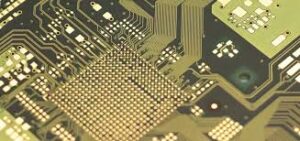
How to Assemble a Double-Sided Prototype PCB
A thorough evaluation of the prototype printed circuit board assembly is a must in order to identify any potential thermal problems that may affect production. Visual inspection, performed without the board carrying any electrical current, can detect signs of overheating such as dry joints, melted or burnt components, discoloration of the board, and a burning smell. Infrared inspection can be used to detect hot spots in the circuitry, and thermocouples and wind tunnel testing can be employed to evaluate actual operating conditions for the board.
The proper handling of thermal issues in the PCB assembly process can ensure a successful and reliable product that will be able to perform under a variety of environmental conditions. By strategically placing components, utilizing thermal vias and pads, implementing cooling solutions, and conducting thorough thermal analysis and testing, the engineers of a company that provides professional prototyping services can be confident in the safety and reliability of their products.
For more information on the importance of effective thermal management, or for assistance with designing a high-quality prototype circuit board, contact BESTProto today. We can provide expert advice and guidance on the best practices to ensure a smooth transition from prototype to full-scale manufacturing. The PCB assembly process is an intricate and time-consuming endeavor, so it is vital to have a partner that can support you every step of the way.