

circuit board recycled
The recycling of circuit boards is an essential process that not only helps in reducing electronic waste but also conserves valuable materials and minimizes environmental impact. With the increasing proliferation of electronic devices, the volume of discarded circuit boards has surged, necessitating effective recycling methods. This article outlines the steps involved in the recycling of circuit boards, emphasizing the importance of proper handling and recovery techniques.
The first step in circuit board recycling is the collection and transportation of electronic waste (e-waste) to specialized recycling facilities. This process often involves the collaboration of collection centers, local governments, and recycling companies. E-waste can be gathered through various channels, such as drop-off points, recycling events, or curbside collection programs. Once collected, the e-waste is transported to a recycling facility, where it will be sorted and processed.
Upon arrival at the recycling facility, the e-waste undergoes sorting to separate circuit board from other electronic components. Workers or automated systems identify and categorize different types of circuit boards based on their composition and materials. After sorting, the circuit boards are dismantled to remove any non-metal components, such as plastics and casing materials. This dismantling can be done manually or with the help of mechanical tools. The goal is to recover valuable materials like metals, which are present in significant quantities within circuit boards.
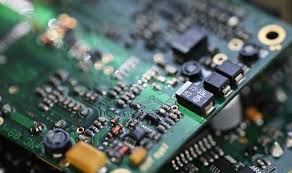
How is a circuit board recycled?
Once the circuit boards are dismantled, they are subjected to crushing and shredding processes. This step breaks down the circuit boards into smaller pieces, facilitating further separation of materials. Crushing also increases the surface area of the materials, making it easier to extract metals during the subsequent processing steps. The resulting mixture contains various materials, including metals, plastics, and ceramics.
After separation, the recovered materials are sent for refinement and recovery. Metals such as copper, gold, and silver are processed to purify them, ensuring they meet industry standards for reuse. The purified metals can then be sold to manufacturers, who use them to create new electronic components or products. Plastics and other materials may also be processed and repurposed for various applications, contributing to a circular economy.
While recycling efforts focus on recovering valuable materials, not all components of circuit boards can be recycled. Non-recyclable materials, such as certain types of plastics or hazardous substances like lead and mercury, must be disposed of responsibly. Recycling facilities follow strict regulations to ensure the safe disposal of these materials, preventing them from contaminating the environment.
In conclusion, the recycling of circuit boards is a complex yet vital process that contributes to environmental sustainability and resource conservation. By collecting, sorting, dismantling, shredding, and separating materials, recycling facilities can recover valuable metals and plastics, reducing the need for raw materials and minimizing electronic waste. As technology continues to evolve, promoting circuit board recycling will play a crucial role in mitigating the environmental impact of electronic devices, paving the way for a more sustainable future.