

panelization optimize Rigid flex pcb processes
Panelization is a critical technique in optimizing the processes involved in the manufacturing of rigid-flex PCBs, offering numerous benefits that streamline production, enhance quality, and improve efficiency. Rigid-flex PCBs, which combine both rigid and flexible substrates into a single integrated circuit board, have become increasingly popular in various industries due to their ability to meet the demands of compact, lightweight, and high-performance electronic devices. However, the complex nature of rigid-flex PCB fabrication presents unique challenges that panelization helps to address.
One of the primary ways panelization optimizes rigid-flex PCB processes is by increasing throughput and yield. By arranging multiple PCBs on a single panel, manufacturers can maximize the use of available space on production equipment, such as solder paste printers, pick-and-place machines, and reflow ovens. This simultaneous processing of multiple boards reduces setup times, tooling costs, and material waste, resulting in higher productivity and lower manufacturing expenses. Additionally, panelization helps minimize the risk of handling errors and contamination during assembly, leading to improved overall yield and product quality.
Furthermore, panelization facilitates easier handling and transportation of rigid flex pcb throughout the manufacturing process. By securely mounting individual boards onto a larger panel or substrate, manufacturers can ensure stability during handling, storage, and transportation between different stages of production. This reduces the risk of damage, warping, or misalignment, particularly for delicate flexible substrates that are susceptible to mechanical stress. Moreover, panelized PCBs can be easily integrated into automated assembly systems, further streamlining workflow and minimizing manual intervention.
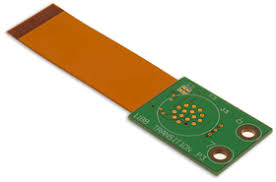
How does panelization optimize Rigid flex pcb processes?
Panelization also enables efficient testing and inspection of rigid-flex PCBs, helping to identify and rectify any defects or discrepancies early in the manufacturing process. By grouping multiple boards together on a single panel, manufacturers can perform electrical testing, automated optical inspection (AOI), and other quality control procedures more effectively and cost-efficiently. This comprehensive testing approach ensures that all individual PCBs meet the required specifications and standards before being separated from the panel, reducing the likelihood of faulty products reaching the end customer.
Additionally, panelization offers greater flexibility and scalability in PCB manufacturing, allowing manufacturers to accommodate diverse product designs, batch sizes, and production volumes. Whether producing prototypes, small batches, or large-scale production runs, panelization enables efficient utilization of resources and equipment, enabling manufacturers to respond quickly to changing market demands and customer requirements. This versatility is especially beneficial for electronics companies operating in dynamic and competitive industries where rapid innovation and time-to-market are critical success factors.
Moreover, panelization supports the implementation of advanced manufacturing techniques and technologies, such as laser cutting, routing, and drilling, which further optimize the fabrication of rigid-flex PCBs. By arranging multiple boards on a single panel, manufacturers can leverage these precision machining processes to create intricate shapes, complex geometries, and fine-pitch features with high accuracy and consistency. This level of precision ensures tight tolerances, reliable electrical connections, and superior mechanical performance, enhancing the overall quality and reliability of rigid-flex PCB assemblies.
In conclusion, panelization plays a crucial role in optimizing the processes involved in the manufacturing of rigid-flex PCBs, offering a range of benefits that improve throughput, quality, efficiency, and flexibility. By consolidating multiple boards onto a single panel, manufacturers can maximize production capacity, minimize handling errors, facilitate testing and inspection, and leverage advanced manufacturing technologies. As the demand for rigid-flex PCBs continues to grow in various industries, panelization will remain a key enabler of cost-effective, high-quality electronic assemblies that meet the evolving needs of modern applications.