

flex PCB manufacturer ensure reliability
The reliability of flex PCBs depends on the design, fabrication, and assembly processes. This includes ensuring that there are no connectivity issues during the prototyping phase, a crucial step in developing a successful product. Eliminating these issues early can save time and money, and prevent expensive production delays that lead to costly rework.
Using a flex pcb manufacturer with a proven track record of providing high-quality rigid-flex boards can help ensure that your products will perform reliably for the life of your electronics. In addition to quality manufacturing services, look for a manufacturer that offers design for manufacturability (DFM) support and a robust testing program. This includes flex cycle endurance, dynamic bend tests, torsion and twist, adhesive bond strength, flammability rating, solder joint integrity and electrical continuity during/after bending, and environmental stress testing.
Rigid flex designs are unique in that they combine both rigid and flexible elements, making them ideal for space optimization and allowing for greater flexibility in device design. However, this flexibility presents significant challenges in terms of mechanical durability. Achieving this level of reliability requires careful optimization of rigid-flex stackups, including considerations such as stress distribution and material fatigue resistance.
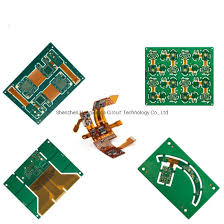
How does a flex PCB manufacturer ensure reliability?
Other design considerations include adhering to specific bend radius compliance and maintaining consistent signal integrity across rigid and flexible areas of the circuit board. Doing so can prevent mechanical stress from affecting the performance of conductive traces during flexing or bending operations, and can extend the longevity of your devices.
Selecting the right stiffener materials is also key for optimizing flex PCBs. Stiffeners protect conductive traces from damage or degradation caused by mechanical stresses, and they also add rigidity to the circuit board. By carefully analyzing the structural requirements of your product and selecting stiffener materials accordingly, you can create highly reliable rigid-flex PCBs that meet the demands of even the most challenging operating environments.
Flex PCB manufacturers are often equipped with specialized machinery and technology that enable precise control over the fabrication process. The production begins with the creation of a flexible base material, usually composed of a polyimide film coated with a thin layer of conductive copper. This base is then processed through various stages, including drilling, plating, and etching, to create the desired circuit pattern.
Manufacturers employ advanced techniques such as laser cutting to achieve fine details and tight tolerances. Surface finishing is another critical step, where finishes like ENIG (Electroless Nickel Immersion Gold) or HASL (Hot Air Solder Leveling) are applied to protect the copper traces and ensure reliable soldering. Depending on the application’s requirements, additional layers or stiffeners may be added to reinforce certain areas while maintaining overall flexibility.
Another way to increase the reliability of your flex PCBs is by adding a shielding film, which can help minimize electromagnetic interference (EMI). This option may increase the cost of your flex PCBs. Additionally, you can add other options to your flex PCBs such as solder mask/coverlay, silkscreen, and plating edge terminals with gold. These options are available on most reputable flex pcb manufacturers.