

flex PCB suppliers ensure cost-effectiveness
When searching for a rigid-flex PCB supplier, it is important to make sure that you are getting the most bang for your buck. While a deal that is extremely cheap might seem attractive in the short term, it could end up costing you more in the long run. Finding a supplier that provides an affordable solution for your company will help you ensure that you are able to produce high-quality gadgets and equipment for your customers and keep operations within your work setting running smoothly.
flex pcb supplier are often pricier than their rigid counterparts, but they are still quite cost-effective. This is because they are a much simpler product to manufacture and assembly. This is largely due to the fact that they require less material and connections than rigid PCBs and are easier to test and iterate during the prototyping process. This makes them a great choice for companies that need to get their products to market quickly, without sacrificing quality or reliability.
The complexity of the design is another factor that can significantly affect the cost of a flex circuit. The more complex the design, the more time and resources will be required to produce it. Moreover, the type of materials used in the design can also have an impact on the final cost. Using lower-quality materials may save money initially, but it will end up costing you more in the long-term as you will need to replace or repair your product more frequently.
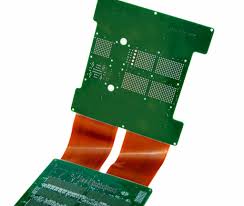
How do flex PCB suppliers ensure cost-effectiveness?
One of the most significant advantages of flex PCBs is that they can provide improved signal integrity, which is particularly useful in signal-critical applications. They also reduce the number of connections and solder joints, reducing potential points of failure and improving reliability. Additionally, they can take on a variety of shapes and sizes, making them suitable for use in a wide range of industries and applications.
Among the most common uses of flex PCBs are in consumer electronics, automotive, and aerospace. For example, flex circuits are commonly used in flip phones to connect the keyboard and screen; they are also found in automobiles as an alternative to ribbon connectors, which can be damaged by vibration and temperature extremes. They are also commonly used in medical devices because of their flexibility and ability to conform to the body.
In order to find a suitable flex PCB supplier, it is essential to communicate with them effectively and ask questions. A good flex pcb manufacturer will be able to answer all your queries and address any concerns that you may have. They should be able to give you a detailed quote for the project that you are working on, as well as an approximate timeline for delivery. Once you have made a decision, it is essential to draft a written agreement with the supplier to avoid any misunderstandings or disputes in the future. In addition, you should always ensure that the contract includes a clause ensuring that your product is safe for usage and distribution.