

AI-Powered chest X-Rays detect lung cancer early
New evidence highlights AI’s potential in early lung cancer detection At the IASLC 2024 World Conference on Lung Cancer in San Diego, a new study has demonstrated that AI-powered chest X-ray interpretation can identify lung nodules that may develop into…

Scotland first in UK to approve new myeloma treatment
Patients with relapsed multiple myeloma gain access to life-extending therapy The Scottish Medicines Consortium (SMC) has approved Tecvayli – also known as teclistamab – for patients with relapsed and refractory multiple myeloma (RRMM), making Scotland the first UK nation to…

APL and CurifyLabs partner to support patients with 3D printing medicine technology
Critically ill individuals will benefit from futuristic tech APL, one of Sweden’s largest manufacturers of extemporaneous medicines and a leading contract development and manufacturing organization (CDMO), has announced a partnership with CurifyLabs, a Finnish health tech company specializing in personalized…
Phase 2 PREDICT-ILD imaging study commences in interstitial lung disease
Molecular imaging agent 99mTc-maraciclatide to aid in disease prognostication Serac Healthcare, a clinical radiopharmaceutical company, and the University of Exeter have announced the commencement of a Phase II study involving a novel molecular SPECT imaging agent, 99mTc-maraciclatide. This study, named…

ChatGPT outperforms trainee doctors in assessing respiratory illness in children
Research suggests that LLMs could be used to support trainee doctors, nurses and GPs The chatbot ChatGPT performed better than trainee doctors in assessing complex cases of respiratory disease in areas such as cystic fibrosis, asthma, and chest infections, according…

Engagement parties – PharmaTimes
Enhancing HCP engagement – on-demand strategies from Veeva Speed and relevance are crucial in interactions between biopharma companies and healthcare professionals (HCPs). Data from the Digital Health Coalition reveals that only 27% of HCPs find biopharma communications relevant and personalised….

Eli Lilly’s once-weekly insulin shows promise in phase 3 trials
New treatment could simplify diabetes management for millions Eli Lilly and Company has announced promising results from two phase 3 clinical trials, QWINT-1 and QWINT-3, evaluating the efficacy of once-weekly insulin efsitora alfa (efsitora) in adults with type 2 diabetes….

Cloud moment – PharmaTimes
Leonie Goddard is Practice Manager, Strategic Insights at Veeva Systems Ethos Veeva is the global leader in cloud software for the life sciences industry. Committed to innovation, product excellence and customer success, Veeva serves more than 1,000 customers, ranging from…

European Commission grants orphan drug designation for Vivet’s VTX-806
Pre-clinical data of VTX-806 in demonstrated normalisation of metabolic parameters Vivet Therapeutics, a clinical-stage biotech company developing novel gene therapies for rare liver metabolic disorders, has announced that the European Commission has granted Orphan Drug Designation (ODD) to VTX-806, its…

AMBLor prognostic melanoma biomarker receives UKCA Mark
New biomarker test aims to improve early-stage melanoma treatment AMLo Biosciences has announced the successful receipt of the UKCA mark for AMBLor, a groundbreaking histopathological biomarker test for identifying early-stage melanomas at low risk of progression. This in vitro diagnostic…

Dr Jonathan Appleby – PharmaTimes
Mogrify has appointed Dr Jonathan Appleby as Chief Scientific Officer Mogrify has announced the appointment of Dr Jonathan Appleby as Chief Scientific Officer. With decades of industry experience in translating both conventional and advanced therapeutic medicines, Jonathan will lead advancement of the Company’s…

Simon Jones – PharmaTimes
Curve has appointed Simon Jones as Chief Operating Officer Curve Therapeutics has announced the appointment of Simon Jones as Chief Financial Officer and Chief Operating Officer. Simon has over 20 years of experience in the biotech and pharma sector. He joins from SpyBiotech,…

Geoffrey Hodge – PharmaTimes
Cellular Origins has appointed Geoffrey Hodge to its board Cellular Origins has announced the appointment of Geoffrey Hodge to its board as Non-Executive Director. Leveraging extensive expertise, knowledge and experience in cell therapy and biomanufacturing, Geoff’s appointment will strengthen the company’s strategic vision…

Adam Rosenberg – PharmaTimes
VectorY has appointed Adam Rosenberg as the new Chair of the Board. VectorY Therapeutics has announced the appointment of Adam Rosenberg as the new Chair of the Board. Adam brings over 20 years of experience in building and leading life sciences companies, primarily…

Steve Hopkinson – PharmaTimes
AbbVie has appointed Steve Hopkinson as UK Vice President AbbVie has appointed Steve Hopkinson as Vice President and General Manager, UK. Steve will succeed Todd Manning, who retires from AbbVie after 28 years, the last five of which have been in the UK Vice President and…

James Halle – PharmaTimes
Optibrium has appointed James Halle as Chief Commercial Officer Optibrium has announced the appointment of James Halle as Chief Commercial Officer. James brings extensive software experience in the pharma industry and will guide the commercial success of the company. With 20 years’ experience…

A new dawn has broken (has it not?)
A bold new opportunity to address research challenges So, now we have a new Government, there is a new opportunity to address the challenges we have created for international collaboration in pharmaceutical research. Brexit kicked our amazing life sciences industry…

myTomorrows and Pancreatic Cancer Europe partner on clinical trials
The partnership will improve care for patients with pancreatic cancer myTomorrows, a global health technology company connecting patients with all possible treatment options, has announced a new partnership with Pancreatic Cancer Europe, a multi-stakeholder platform that brings together experts from…

Acelyrin’s izokibep for hidradenitis suppurativa reveals positive results
However the company will not continue developing the candidate Acelyrin has shared positive results from a late-stage study of its IL-17A inhibitor izokibep in hidradenitis suppurativa (HS), but has said it will not be moving forward with the asset in…

Improving tracking of AMR bacteria in hospitals using new genomic technique
The spread of multiple bacteria could be tracked simultaneously through sequencing method Using a genomic approach, researchers have developed a way to simultaneously track the spread of multiple common antibiotic-resistant bacteria in hospitals. Current methods culture and sequence all pathogens…

National campaign launches to end prostate cancer postcode lottery
Over 135,000 people have signed a petition to prioritise a national screening programme The charity Prostate Cancer Research (PCR) has launched a national campaign, calling for a screening programme to improve survival rates and quality of life for men in…

Association for Medical Education in Europe AMEE 2024 conference
The conference will be held in Basel, Switzerland from 26-28 August Press release: The Association for Medical Education in Europe AMEE 2024 conference will be held in Basel, Switzerland, from 26-28 August. The conference brings together experts and specialists in…

MHRA approves Astellas’ Vyloy combination for gastric cancer
Most cases go undetected until an advanced stage, as the disease rarely causes early symptoms The Medicines and Healthcare products Regulatory Agency (MHRA) has approved Astellas Pharma’s Vyloy (zolbetuximab) as part of a first-line combination treatment for a subset of…

SynaptixBio awarded £2m BioMedical Catalyst grant from Innovate UK
The grant will support clinical trials of rare disease therapy for leukodystrophy Oxford-based SynaptixBio has been awarded a £2m BioMedical Catalyst grant from Innovate UK to support first-in-human clinical trials of its therapeutic targeting H-ABC, the most severe form of…

New drug trial to investigate treatment for patients with bronchiectasis
200,000 people in the UK have what is considered a ‘hidden’ lung condition Bronchiectasis is the third most common lung condition in the UK but despite this, it is sometimes seen as a ‘hidden’ disease due to a lack of…

GOSH and Oliver Patch in cancer research partnership with Innovative Trials
Globally 400,000 children are impacted every year by cancers that include leukaemia and lymphoma UK’s Great Ormond Street Hospital (GOSH) Children’s Charity and the Oliver Patch Project in the US have come together with Innovative Trials to form two strategic…

AMR testing technology from QuantaMatrix backed by research paper in Nature
The new test takes an average of 13 hours to identify the correct treatment compared to several days with current methods Press release: QuantaMatrix, a clinical microbiology diagnostics company in Seoul, South Korea, has developed an all-in-one antimicrobial testing technology,…
eXmoor pharma’s manufacturing facility receives licence from MHRA
The company’s Cell & Gene Therapy Centre can now offer a full range of GMP services Press release: eXmoor pharma, the full-service cell and gene therapy (CGT) manufacturing partner, announced it has received a Manufacturing and Import Authorisation for Investigational…
Theramex’s Eladynos recommended by NICE for post-menopausal bone disease
Osteoporosis currently affects 3.8 million people in the UK, particularly impacting older women after menopause Theramex’s Eladynos (abaloparatide) has been recommended by the National Institute for Health Care and Research (NICE) for treating bone disease after menopause. More than 14,000…

Nature publishes new research on genetic causes of colorectal cancer
In the UK study, researchers analysed 2,023 bowel cancers from the 100,000 Genomes Project Colorectal cancer (CRC) is the third most commonly diagnosed cancer globally, with more than 44,000 new cases of the disease diagnosed in the UK every year….

Oncimmune announces new contract with global pharma company
The contract concerns profiling Immunoglobulin E autoantibodies in blood serum Oncimmune, an autoantibody profiling company providing research services to the pharmaceutical and biotechnology industry to enable the delivery of precision medicine, has announced a new contract with a global pharma…
New research reveals AI bowel cancer test can help patients avoid chemotherapy
This form of cancer was responsible for 1.9 million diagnosed cases worldwide in 2020 A study led by researchers at the University of Leeds has revealed that a new artificial intelligence (AI) test to determine the risk of recurring bowel…

Researchers map interactions of 144 active substances to identify drug benefits
The study yielded over one million dose-responsive curves for existing cancer drugs Researchers from the Technical University of Munich (TUM) have successfully mapped the interactions of over 100 active substances with around 8,000 proteins to help identify previously unknown benefits…
McMaster drug trial receives more than $6m to test smallpox vaccine against mpox
Children accounted for the majority of mpox cases and deaths in the DRC since June 2023 Researchers from McMaster University have received $6.7m from the Coalition for Epidemic Preparedness Innovations (CEPI) and the Canadian Institutes of Health Research to assess…

Study identifies new disease-inducing mechanism for inflammatory bowel disease
Combined, Crohn’s disease and ulcerative colitis affect over 500,000 people in the UK Researchers from Newcastle University, Great North Children’s Hospital, Cambridge University Hospital and the universities of Cambridge and Oxford have identified a new disease-inducing mechanism for inflammatory bowel…

International researchers use shear waves to map blood vessel structures
The findings could improve cancer treatment and drug delivery to treat tumours Researchers from King’s College London’s (KCL) School of Biomedical Engineering and Imaging sciences, along with partners at the University of Michigan, the Institut national de la santé et…

Study finds AI reduces underdiagnosis of Black patients with common heart failure
Heart failure with preserved ejection fraction makes up 50% of all UK heart failure cases A study led by King’s College London (KCL) has revealed that Black patients are less likely to be underdiagnosed with a common type of heart…

CMT Research Foundation invests in research project to develop treatments for CMTs
The rare, peripheral neuropathy disease affects nearly three million people globally The CMT Research Foundation (CMTRF) has invested in a research project based at Nationwide Children’s Hospital, US, to develop new vehicles for delivering gene therapies to treat several types…

Francis Crick scientists reveal how cells ‘raise the alarm’ when damaged or infected
The V-ATPase protein, V1H, was found to be involved in the process of raising the alarm Scientists at the Francis Crick Institute have revealed how cells ‘raise the alarm’ when acids leak out of their compartments if damaged or infected…

Study suggests COVID-19 vaccination lowers incidence of arterial thromboses
A second dose of the vaccine lowered the incidence of conditions such as heart attack or stroke Researchers from the Universities of Cambridge, Bristol and Edinburgh have suggested that COVID-19 vaccinations could lower the incidence of arterial thromboses. The study,…
UCL study reveals routine blood tests could improve early cancer diagnosis
Bowel cancer was the most common cancer to be identified in both men and women Researchers from University College London (UCL) have found that common routine blood tests could be used to speed up and improve early cancer diagnosis for…

KCL and UCL scientists develop accurate AI brain imaging model for research
In the UK, there are an estimated 11 million people living with a neurological condition Researchers from King’s College London have developed a new artificial intelligence (AI) brain imaging model in collaboration with University College London (UCL) which is realistic…

Study reveals genetic variants are more common in Parkinson’s disease patients
The study revealed that 13% of patients have a genetic form of the neurological disease A US study supported by the Parkinson’s Foundation has revealed that genetic variants associated with Parkinson’s disease (PD) are more common than researchers previously thought….

Researchers develop ‘magnetic vine robots’ to transform cancer treatment
Lung cancer accounts for an estimated two million global diagnoses and 1.8 million deaths Researchers from the University of Leeds have developed a new class of ‘magnetic vine robots’, which have the potential to transform cancer diagnosis and treatment for…

Study reveals AI insights can predict development of disease a decade in advance
The study predicted the development of conditions including Alzheimer’s and heart disease Researchers from the University of Edinburgh, along with commercial collaborators Optima Partners and Biogen, have revealed that artificial intelligence (AI) insights can predict a person’s disease’s development a…
Janssen’s psoriasis drug shows promise for childhood diabetes
Type 1 diabetes accounts for approximately 10% of diabetes cases in the UK A new study led by researchers from Cardiff University, King’s College London (KCL), Swansea University and the University of Calgary has revealed that Janssen’s psoriasis drug, Stelara…

MRC and MND Association award £3.9m to KCL and UCL for ALS/FTD research
Researchers aim to explore and investigate axonal dysfunction in neurodegeneration The Medical Research Council and the Motor Neurone Disease (MND) Association have awarded researchers from King’s College London (KCL) and University College London (UCL) £3.9m to investigate an early disease…

BHF’s HIF funds five heart research projects over £800,000
Cardiovascular diseases currently affect around seven million people in the UK, including coronary heart disease The British Heart Foundation (BHF) has awarded five research projects more than £800,000 as part of its Healthcare Innovation Awards to improve the delivery of…

Researchers reveal brain parasites could be used to treat cognitive disorders
Neurological conditions, including Alzheimer’s disease, are the leading cause of ill health globally Researchers from the University of Glasgow, in collaboration with Tel Aviv University, along with international researchers, have revealed that brain parasites could be used to deliver drugs…
ETH Zurich researchers reveal how colorectal cancer cells colonise the liver
Bowel cancer, the third most common cancer type worldwide, is the second most common cause of cancer death Researchers from ETH Zurich, Switzerland, have revealed how colorectal cancer cells colonise the liver, which could help to develop future treatments that…
New study reveals certain bacteria are toxic for head and neck cancer
Head and neck cancer is currently recognised as the sixth most common cancer globally Researchers from Guy’s and St Thomas’ and King’s College London (KCL) have revealed a certain type of bacteria is toxic for head and neck cancer and…

Researchers reveal CAR-enhancer therapy could help overcome cancer relapse
Cancer is estimated to affect more than three million people living in the UK, according to Macmillan Cancer Support Researchers from the Dana-Farber Cancer Institute have revealed in a study that CAR-enhancer (CAR-E) therapy could help patients overcome cancer relapse….
Study reveals non-statin cholesterol drugs could reduce liver cancer risk
The third leading cause of cancer mortality accounts for over 700,000 deaths every year A study conducted by researchers from the National Cancer Institute (NIH) has revealed that non-statin cholesterol drugs could reduce the risk of liver cancer. Published in…
Study finds ovarian cancer-treated women less likely to develop breast cancer
Combined, ovarian and breast cancer affect over 60,000 women in the UK every year Researchers from Manchester University NHS Foundation Trust (MFT) have revealed that women treated for ovarian cancer caused by an inherited fault gene have a lower risk…

NHS Scotland, AZ and Scottish universities partner for kidney health research
The collaboration aims to develop new medicines to reduce chronic kidney disease in Scotland NHS Scotland, AstraZeneca (AZ) and the Universities of Glasgow and Dundee have entered into a partnership to accelerate research into treating chronic kidney disease (CKD). The…
Apollo and Oxford University enter drug discovery and development collaboration
The latest collaboration marks Apollo’s sixth agreement with a research institution Apollo Therapeutics and the University of Oxford have entered into a drug discovery and development collaboration to translate breakthroughs by biomedical researchers at Oxford. As part of the deal,…

EPSRC launches two new hubs to transform early disease diagnosis in the UK
Quantum-based technologies will explore infectious diseases, cancer and dementia The Engineering and Physical Sciences Research Council (EPSRC) has announced the launch of two new hubs to be delivered by Imperial College London (ICL), the Universities of Cambridge and Birmingham, to…
HDR UK and DPUK granted £2m for new motor neurone disease research initiative
The rapidly progressive neurological condition affects around 5,000 people in the UK Health Data Research UK (HDR UK) and Dementias Platforms UK (DPUK) have received £2m in funding to launch a new initiative to accelerate motor neurone disease research. Supported…
Study reveals new insights into ‘gene misbehaviour’ in healthy populations
The findings could support investigations into human genetics and various complex diseases Researchers from the Wellcome Sanger Institute, the University of Cambridge and AstraZeneca have revealed new insights into widespread ‘gene misbehaviour’ in healthy populations. The study published in the…

MIT study reveals how specific cells in AD become vulnerable and resilient
The neurodegenerative condition is recognised as the most common form of dementia A study conducted by researchers at the Massachusetts Institute of Technology (MIT) has revealed how specific cells and circuits become vulnerable and resilient to cognitive decline in Alzheimer’s…
Study finds 3D-printed blood vessels could improve heart bypass outcomes
Coronary heart disease is the most common form of heart and circulatory disease Researchers from the University of Edinburgh, in collaboration with Heriot-Watt University, have revealed that artificial blood vessels printed using novel 3D printing technology could transform the treatment…

MJFF awards $6m to Lario Therapeutics for Parkinson’s research
The neurological disease is estimated to affect more than ten million people globally The Michael J. Fox Foundation (MJFF) has awarded $6m to Lario Therapeutics to fund its preclinical programme for Parkinson’s disease (PD) research. The company will collaborate with…
Study reveals blood proteins predict risk of developing many diverse diseases
Researchers predicted the onset of 67 diseases, out-performing current standard models A study conducted in partnership between University College London (UCL), GSK, Queen Mary University of London, Cambridge University and the Berlin Institute of Health at Charité Universitätsmedizin, Germany, has…

New gut microbiome atlas could offer better treatment for digestive disorders
The new Human Gut Microbiome Atlas could help treat conditions including IBS and AMR Researchers from King’s College London (KCL) have developed a new gut microbiome atlas in collaboration with MetaGenoPolis and the Science for Life Laboratory to help better…
KCL study finds cell ageing could reveal early signs of neurodegenerative disease
Conditions such as Alzheimer’s and Parkinson’s affect over one million people in the UK Researchers from King’s College London (KCL), along with other collaborators, have found that ageing cells could reveal early signs of neurodegenerative diseases, including Alzheimer’s disease or…
MRC grants researcher £1.2m to further understand complex secretory processes
The research will help to better understand how this pathway is coordinated in the cell The Medical Research Council (MRC) has awarded £1.2m to Giulia Zanetti, head of the Membrane Architecture Laboratory at the Francis Crick Institute, University College London…
ICL study finds single bowel screening test can reduce chances of developing cancer
Affecting over 250,000 people, bowel cancer is the fourth most common cancer in the UK Researchers from Imperial College London have revealed that a single screening test can reduce bowel cancer deaths by a quarter, as well as the chances…
Study suggests targeting amyloid beta production could be promising in AD
The neurodegenerative disease is currently the most common cause of dementia A study led by the UK Dementia Research Institute (UK DRI) and University College London (UCL) has suggested targeting amyloid beta production in one cell type in the brain…

Show time – PharmaTimes
The truth hurts. B2B healthcare advertising frequently misses the mark. As someone who leads a healthcare division at a creative agency, that’s hard for me to say, but it’s not just me saying it. I recently sat down with a…

Study reveals two proteins that may contribute to stroke recurrence or other MACEs
The life-threatening medical condition affects 100,000 people in the UK every year Researchers from Boston University School of Public Health (BUSPH) and the University of Bristol have revealed two proteins that could contribute to stroke recurrence or other major adverse…
New study shows wearable trackers provide clinical use for heart disease patients
Cardiovascular disease, including coronary heart disease, currently affects around seven million people in the UK A new study published in Nature Medicine, led by the University of Birmingham’s cardAIc group, has revealed that over-the-counter wearable trackers provide clinically useful information…

Trial investigates faecal microbiota transplantation to treat rare liver disease
Primary sclerosing cholangitis is estimated to affect one in 100,000 people worldwide annually A new clinical trial led by the University of Birmingham aims to determine whether faecal microbiota transplantation (FMT) can correct gut microbiome imbalances in primary sclerosing cholangitis…
KCL leads first guidelines on immune monitoring for hard-to-treat blood cancer
Myelodysplastic syndromes are a group of blood cancers that currently affect more than 7,000 people in the UK King’s College London (KCL) has led the publication of first-in-their-kind guidelines that aim to standardise how clinicians measure the immune response of…

Sounds great – HCA milestone for PharmaTimes Communications Awards
Accreditation recognises ‘continued professional development’ opportunities As part of the Healthcare Communications Association’s partnership with this year’s PharmaTimes Communications Awards, we can now confirm that the competition has been HCA CPD Accredited. HCA CPD Accreditation recognises and endorses quality ‘continued…

Glasgow scientists develop first bone marrow model to support human stem cells
LT-HSCs replenish blood cells after treatment for blood cancers, such as leukaemia Scientists from the University of Glasgow have developed the first bioengineered bone marrow model that supports human stem cells, which are crucial for bone marrow transplants and in…
Study finds pain gene affects success of chronic pain medicine in women
Chronic pelvic pain is a disabling condition that affects around one in four women worldwide A study led by the University of Edinburgh in collaboration with the University of Oxford has found that a pain gene carried by women with…
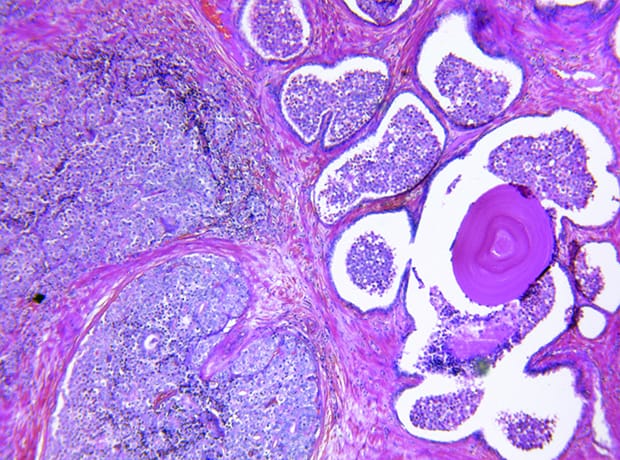
Study reveals new AI tool predicts recurrence of prostate cancer by a decade
The most commonly diagnosed cancer in men in the UK leads to over 12,000 annual deaths A study led by researchers from the Institute of Cancer Research (ICR) and the Royal Marden NHS Foundation Trust has revealed a new tool…

Cystic fibrosis drug improves outcomes in severe COVID-19 pneumonia
Genentech’s Pulmozyme could also treat other respiratory infections and conditions Researchers from University College London (UCL), UCL Hospital (UCLH) and the Francis Crick Institute have revealed that a common drug used to treat cystic fibrosis has been shown to improve…

US study reveals Co-STAR receptor cells show promise in treating cancers
The most globally prevalent cancers include breast, lung, bowel and prostate cancers Researchers from Johns Hopkins Kimmel Cancer Center and its Ludwig Center, along with the Lustgarten Laboratory and the Bloomberg-Kimmel Institute for Cancer Immunotherapy, have designed a novel type…

McMaster researchers develop way to make phages more accessible
The new technology can generate a target infection within 30 minutes to two hours Researchers from McMaster University, with support from experts at Université Laval, Canada, have developed a new way to make lifesaving bacteriophages (phages) easier to use, more…

Dr Rafiq Hasan – PharmaTimes
Exonate has appointed Dr Rafiq Hasan as Non-Executive Director. Exonate has announced the expansion of its Board with the appointment of Dr Rafiq Hasan as Non-Executive Director. Rafiq brings extensive expertise in ophthalmology, specifically within the diabetic eye disease sector, from his years in global…

Study finds Parkinson’s disease SLT more effective than one used in NHS
The progressive neurodegenerative condition affects around 153,000 people in the UK Researchers from the Universities of Nottingham and Birmingham have revealed that a new form of speech therapy was more effective than the speech and language therapy (SLT) currently used…

NIHR and Diabetes UK invest nearly £3m to prevent and treat diabetes distress
Almost 50% of adults living with type 1 diabetes experience high levels of diabetes distress The National Institute for Health and Care Research (NIHR) and Diabetes UK have partnered, investing nearly £3m, to develop research to treat and prevent type…

Trial finds over-the-counter nasal sprays could reduce RTIs and antibiotic use
Affecting parts of the body involving breathing, RTIs impact one in five people in England A new trial led by researchers from the University of Southampton in partnership with the University of Bristol has revealed that over-the-counter nasal sprays could…
UK Researchers developing new tetanus test to identify global immunity gaps
The serious, rare condition is responsible for up to 7% of all neonatal deaths globally Researchers from the University of Birmingham are developing a new blood-free test to help identify children across the Global South missing immunity to tetanus and…
Innovate UK grants £4m to four companies to evaluate biomarkers for dementia
The progressive neurodegenerative disease affects more than 55 million people globally Innovate UK has awarded £4m through its Contracts for Innovation to four UK companies for research into dementia diagnosis. As part of the Bio-Hermes-002 study led by the US-based…

Celebrating the 2024 PharmaTimes MSEA and NIEA awards
The awards celebrated both medical affairs and nursing professionals in the industry The PharmaTimes Medical & Scientific Awards (MSEA) and the Nursing Industry Excellence Awards (NIEA) celebrated professionals within medical affairs and the outstanding work of nursing professionals in the…
Institutions to lead £1.7m-funded network to support people at risk of dementia
The neurodegenerative condition currently affects more than 944,000 people in the UK University College London (UCL) and the University of Exeter are set to co-lead a new national Dementia Network Plus initiative supported by more than £1.7m in funding. The…
New policy review reveals ten cancer challenges facing new UK government
Macmillan Cancer Support estimates that cancer affects over three million people in the UK A new policy review produced by cancer doctors and experts from across the UK, including King’s College London (KCL), has revealed the ten biggest cancer challenges…

Researchers awarded £1.5m for national dementia inequalities network
The ESRC EquaDem Network Plus aims to improve disparities in diagnosis and care Dementia researchers from the University of Liverpool have been awarded £1.5m to establish the first-ever national network for dementia inequalities in diagnosis and care. The new network…
UK DRI and NHS collaborate on digitally enabled dementia care platform
Around one in five dementia hospitalisations are due to potentially preventable causes The UK Dementia Research Institute (UK DRI), in collaboration with the NHS, aims to conduct a new two-year study to prepare its digitally-enabled dementia care platform, Minder, to…

SMC accepts Boehringer/Lilly’s Jardiance for CKD within NHS Scotland
The serious, progressive kidney disease affects nearly 850 million people worldwide The Scottish Medicines Consortium (SMC) has accepted Boehringer Ingelheim and Eli Lilly’s Jardiance (empagliflozin) for use within NHS Scotland to treat adult patients living with chronic kidney disease (CKD)….
Francis Crick and ICL spinout raises £90m to clinically develop cancer treatments
Myricx Bio’s therapies include treatments for breast, lung and colorectal cancer The Francis Crick Institute and Imperial College London (ICL) cancer therapy spinout, Myricx Bio, has raised £90m in series A financing to advance its novel cancer treatments into clinical…
Mission awarded $5.2m to advance potential Parkinson’s treatment
The progressive neurodegenerative condition affects around 153,000 people in the UK Mission Therapeutics has been awarded $5.2m in funding from Parkinson’s UK’s Virtual Biotech programme and the Michael J. Fox Foundation to advance a potential treatment for early-stage Parkinson’s disease…
Coloplast launches digital leakage notification system Heylo for stoma patients
More than 176,000 people in the UK are living with a stoma, according to NHS data Coloplast has announced the launch of its world-first digital leakage notification system, Heylo, to benefit patients living with a stoma. The new system is…

Researchers find whole genome sequencing improves care for paediatric cancer
Affecting around 3,755 young people in the UK every year, leukaemia is the most commonly diagnosed cancer in children Researchers from the Wellcome Sanger Institute, Cambridge University Hospitals NHS Trust, Great Ormond Street Hospital and the University of Cambridge have…

Professor Bjoern Schelter – PharmaTimes
Frontier Science Scotland appoints Prof Bjoern Schelter as a Director to its Board of Trustees Frontier Science Scotland has announced the appointment of Professor Bjoern Schelter as a new Director to its Board of Trustees. Bjoern brings valuable strategic insights into the Company’s core capabilities…
NeuroSense Therapeutics shares positive results of lead candidate in ALS
The neurodegenerative disease currently affects more than 200,000 people worldwide NeuroSense Therapeutics has announced positive mid-stage results of its lead drug candidate, PrimeC, in people living with amyotrophic lateral sclerosis (ALS). The phase 2b PARADIGM study has been evaluating PrimeC,…
Study reveals mobile phone data can help map the spread of pathogens
Pneumococcus is the leading cause of pneumonia, meningitis and sepsis worldwide A study, published in Nature, has revealed a new way to map the spread and evolution of pathogens, as well as their response to vaccines and antibiotics, using anonymised…

Herantis Pharma granted €3.6m to assess treatment for Parkinson’s disease
The progressive neurological condition affects around 153,000 people in the UK Herantis Pharma has been awarded €3.6m in funding from Parkinson’s UK’s Virtual Biotech programme and the Michael J. Fox Foundation to finance its early-stage clinical trial in Parkinson’s disease…
Study reveals genetic mutations associated with aggressive prostate cancer
Aggressive prostate cancer accounts for up to 15% of all prostate cancer diagnoses Scientists from the Institute of Cancer Research (ICR) have revealed new inherited genetic mutations in a long-term study that are associated with aggressive prostate cancer. Published in…

Study finds headache drug could prevent overuse of acute migraine medications
Chronic migraine is a neurological condition estimated to affect up to 2.2% of people globally A study led by researchers at King’s College London (KCL) and funded by AbbVie has revealed that a headache drug helps to prevent the overuse…
Study reveals cardiovascular health could be biggest risk factor for dementia
Dementias, including Alzheimer’s disease, are estimated to affect 944,000 people in the UK Researchers from University College London (UCL) have revealed that cardiovascular health could be the biggest risk factor associated with future dementia. Published in the Lancet Public Health,…

Deborah Knobelman – PharmaTimes
Kronos Bio has appointed Deborah Knobelman as Chief Operating Officer Kronos Bio has appointed Deborah Knobelman as Chief Operating Officer and Chief Financial Officer. She will oversee the finance, accounting, business development, investor relations and corporate strategy functions. Deborah was previously Chief Financial Officer and head…

Digital calculation – PharmaTimes
As research advances, allowing scientists to more clearly pinpoint the underlying causes of disease, new drugs are becoming more precise and highly targeted. At the same time, regulatory requirements in clinical development have become more stringent, with new therapies having…


Food for thought – PharmaTimes
Weight loss drugs are the word on the street and it’s getting serious With all the noise surrounding ‘miracle’ weight loss drugs recently, it is easy to lose sight of their clinical implications – for good and ill. First, the…
Parkinson’s UK awards ICL £100,000 to develop small drugs for Parkinson’s disease
The neurodegenerative condition currently affects around 153,000 people in the UK Parkinson’s UK has awarded nearly £100,000 to researchers at Imperial College London (ICL) to develop a new drug for Parkinson’s disease (PD) through the charity’s drug accelerator award grant…
UK study reveals persistent challenges in heart health and cardiovascular diseases
The study found an increase in incidence among young people and people from deprived areas A study conducted by European researchers from the University of Glasgow, the University of Oxford, KU Leuven and the University of Leicester has revealed the…
UCL begins first UK deep brain stimulation study for children with rare epilepsy
Lennox-Gastaut syndrome affects up to 5% of children living with paediatric epilepsy A new study sponsored by University College London (UCL) has begun, making it the UK’s first ever deep brain stimulation (DBS) trial for children with epilepsy. In collaboration…
New collaboration aims to research early mutations in rare blood disorder
Langerhans cell histiocytosis currently affects around one in 200,000 children in the UK A new collaboration between Newcastle University, the Wellcome Sanger Institute (Sanger) and the SKAN Research Trust (SKAN) aims to investigate early mutations in blood stem cells for…
Researchers reveal how a protein interaction can increase Alzheimer’s risk
AD is the most common form of dementia, which affects over 944,000 people in the UK Researchers from the University of Sheffield’s Institute of Translational Neuroscience (SITraN) and scientists from the UK Dementia Research Institute, Cambridge, have revealed how a…

IHI’s new funding round to include topics on CVD and arthritis
The initiative’s proposals aim to tackle current challenges in health research and innovation The Innovative Health Initiative (IHI) has launched a new call for proposals, which include topics on cardiovascular disease (CVD) and arthritis, as part of the total budget…
Study shows cholesterol-lowering drug reduces diabetic retinopathy risk
An estimated 27% of patients globally living with diabetes will be affected by retinopathy A study conducted by Oxford Population Health has demonstrated that a cholesterol-lowering drug could help reduce the risk of eye disease in people living with diabetes….

Scientists uncover new disease-driving mechanism to treat atheroschlerosis
Atherosclerotic plaques in the arteries affect 42% of adults living without heart disease Researchers from the University of Bristol have revealed a new disease-driving mechanism that could help treat the development of atherosclerosis. The new therapeutic, IMSET, is being developed…
Europe contributes over €750m to African Vaccines Manufacturing Accelerator
The initiative aims to improve African pandemics, outbreaks, preparedness and responses The EU, its Member States and European financial institutions have announced a more than €750m contribution to the newly launched African Vaccines Manufacturing Accelerator (AVMA) as part of the…
UK dementia organisations publish new manifesto ahead of general election
The manifesto calls on the next UK government to make dementia a key health priority Alzheimer’s Society, Dementia UK, Alzheimer’s Research UK, the UK Dementia Research Institute (UK DRI) and Alzheimer Scotland have collaborated to create a new manifesto for…
Ten-minute brain scan could improve diagnosis for paediatric brain cancer
Medulloblastoma is responsible for around 52 new cases in children in the UK every year A new study led by Newcastle University and the University of Birmingham has revealed that a new ten-minute brain scan could reduce diagnosis waiting times…
Leuko device to remotely monitor cancer patients during chemotherapy
Cancer was estimated to be responsible for more than 18 million cases worldwide in 2020 Leuko, founded by researchers at the Massachusetts Institute of Technology (MIT), has developed an at-home white blood cell monitor to help doctors non-invasively monitor cancer…
Researchers identify link between gum disease and young-onset stroke
Stroke causes over seven million new cases annually, ranking second in leading global mortality Researchers from King’s College London (KCL) and the University of Helsinki, Finland, have identified a link between gum disease and young-onset stroke in patients. Recently published…

New ‘space hairdryer’ to regenerate heart tissue after bypass surgery
According to WHO, cardiovascular diseases are responsible for 17.9 million annual deaths Researchers from Innsbruck Medical University, Austria, have developed a new treatment that could regenerate the heart tissue of patients following bypass surgery. Published in the European Heart Journal,…
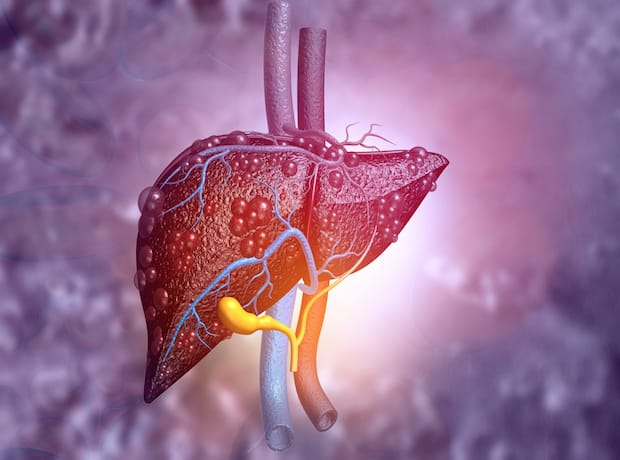
KCL’s mini liver model promises more effective drug testing method
The method provides a more accurate and ethical approach to drug testing for medicines Researchers from King’s College London (KCL) have created a mini lab-grown liver model that promises a new, more effective and ethical way of drug testing for…
Lab-grown ‘mini guts’ to help identify treatment for Crohn’s disease
The lifelong inflammatory bowel disease affects around one in every 350 people in the UK Researchers from the University of Cambridge have grown ‘mini-guts’ in the lab to help understand and identify the best treatment for patients living with Crohn’s…
US study suggests BMS’ cancer drug could target Parkinson’s-causing protein
The progressive neurodegenerative condition affects more than ten million people worldwide Researchers from Johns Hopkins Medicine have revealed that a cancer drug could be used to target a Parkinson’s disease (PD)-causing protein that drives the spread of alpha-synuclein, a key…

Researchers reveal genetic makeup could identify treatment options for sepsis
The serious condition is responsible for approximately 11 million deaths worldwide every year Researchers from the Wellcome Sanger Institute, the University of Oxford and collaborators have revealed that genetic makeup could help determine the best treatment options for sepsis patients….
Researchers design genetic mole reversal therapy for rare skin condition
Congenital melanocytic naevus syndrome can cover up to 80% of the bodies of children Researchers from the Francis Crick Institute, University College London (UCL) Great Ormond Street Institute for Child Health and Great Ormond Street Hospital for Children (GOSH) have…
UMC Utrecht and VectorY collaborate to identify biomarkers of ALS in new study
The progressive neurological disorder currently affects more than 200,000 people worldwide The University Medical Center (UMC) Utrecht, Netherlands, has announced that it has enrolled its first patient in a new study to identify biomarkers of amyotrophic lateral sclerosis (ALS), in…

LifeArc funds new projects to address and prevent global threat of dengue fever
The mosquito-borne viral disease is responsible for an estimated 390 million cases globally LifeArc has announced that it will be funding three new projects to help improve the understanding of dengue fever and prevent the global spread of the disease….
Royal Marsden launches first UK genome testing facility to improve testing for cancer
The installation will double the capacity of cancer genomic testing using robotic automation The Royal Marsden NHS Foundation Trust has launched the UK’s first ever genome testing facility at the Sharjah Clinical Genomics Laboratory in the National Institute for Health…
Francis Crick, UCL and AZ identify why treatment fails for NSCLC patients
NSCLC accounts for around 85% of all lung cancer cases, particularly in non-smoking patients Researchers at the Francis Crick Institute, University College London (UCL) and AstraZeneca (AZ) have revealed why targeted treatment for non-small cell lung cancer (NSCLC) fails for…
Sysmex receives Longitude Prize on AMR for antimicrobial testing system
AMR is designated as one of the top ten global public health threats facing humanity by WHO Sysmex Astrego AB, a subsidiary of Sysmex Corporation, has been awarded the UK’s Longitude Prize on Antimicrobial Resistance (AMR) for the development of…

ICL receives £10m donation to advance heart and lung research
The donation will help scientists and clinicians collaborate and make new advances in research Imperial College London (ICL) has received a £10m donation from the Victor Dahdaleh Charitable Foundation to advance heart and lung research at ICL’s Hammersmith Hospital Campus….
New study reveals how brain cell communication is linked to Alzheimer’s disease
Two support cells, microglia and astrocytes, were found to communicate with each other Researchers at the Francis Crick Institute, University College London’s UK Dementia Research Institute and the VIB-KU Leuven Center for Brain and Disease Research have revealed how brain…
LucyTx announces additional $12.5m research funding for neurological diseases
Alzheimer’s and Parkinson’s disease are responsible for more than 30 million cases globally Lucy Therapeutics (LucyTx) has announced it has raised $12.5m in additional funding to develop potentially new drugs and advance the company’s research programmes for neurological diseases. The…
US researchers develop AI liquid biopsy test to help identify lung cancer earlier
The leading cause of cancer globally accounts for an estimated 1.8 million deaths annually Researchers from the Johns Hopkins Kimmel Cancer Center and other institutions have developed and validated a liquid biopsy test using artificial intelligence (AI) to help identify…
Dana-Farber Cancer Institute and OncoHost partner for renal cell carcinoma research
Accounting for 4% of all cases, kidney cancer is currently the sixth most common cancer diagnosed in the UK The Dana-Farber Cancer Institute and OncoHost have partnered to research and identify biomarkers for renal cell carcinoma (RCC), a form of…
New paediatric blood test to prevent sudden death from hereditary heart condition
Hypertrophic cardiomyopathy is a rare condition that affects up to 1,000 children in the UK Researchers from University College London (UCL) and Great Ormond Street Hospital have developed a new blood test that could identify children with a potentially fatal,…


Boehringer Ingelheim’s survodutide shows promise in liver fibrosis treatment
Phase 2 trial reveals significant improvement in MASH patients Boehringer Ingelheim has unveiled promising results from a Phase II trial of survodutide, demonstrating a notable improvement in liver fibrosis among patients. The sub-analysis indicated that up to 64.5% of adults…

Serac’s imaging agent marks a breakthrough in endometriosis detection
Early-stage endometriosis now visible through non-invasive imaging In a significant advancement for endometriosis diagnosis, Serac Healthcare, in collaboration with the University of Oxford, has presented new data showcasing the effectiveness of 99mTc-maraciclatide in imaging the earliest stage of the disease….

Alchemab receives funding boost for Parkinson’s research
Innovative antibody discovery could lead to new Parkinson’s treatments Cambridge-based Alchemab Therapeutics has been awarded a substantial grant from The Michael J. Fox Foundation to propel its research into Parkinson’s disease (PD). The $595,000 grant will support Alchemab’s exploration of…

Amgen’s trial brings new hope for IgG4-RD patients
Inebilizumab shows sound efficacy in landmark research Amgen has announced a breakthrough in the treatment of Immunoglobulin G4-related disease (IgG4-RD) with its phase 3 clinical trial of inebilizumab showing an 87% reduction in disease flares. This significant result marks the…
Resolution unveils data for liver disease treatment at EASL 2024
Extended phase 2 study highlights macrophage cell therapy’s efficacy Resolution Therapeutics Limited, in collaboration with the University of Edinburgh, has presented compelling clinical data at the EASL Congress 2024 in Milan, Italy, showcasing the significant potential of macrophage cell therapy…
Sanofi’s Sarclisa shows significant promise in treating myeloma
Phase 3 research suggests a significant leap forward in myeloma management Sanofi’s Sarclisa, a novel treatment for multiple myeloma, has demonstrated a substantial improvement in progression-free survival for patients ineligible for transplant. The phase 3 IMROZ study revealed that Sarclisa…
invoX Pharma’s FS222 delivers encouraging solid tumour treatment results
Positive clinical data from phase 1 study presented at ASCO annual meeting invoX Pharma Limited has presented updated findings from its phase 1 study of FS222, showcasing significant anti-tumour activity in patients with advanced solid tumours. The data, revealed at…
EpiEndo and AlveoliX achieve milestone in ulcerative colitis treatment
Collaboration yields promising Barriolide therapy Enterothelin EpiEndo Pharmaceuticals, a clinical-stage biopharmaceutical company, and AlveoliX, an innovator in organ-on-chip technology, have announced significant advancements in their joint project, the EpicoliX Project, to develop a novel treatment for ulcerative colitis (UC). Supported…
International KCL research project to develop SMARTdrugs for aggressive cancers
The platform will be used to diagnose and treat cancers, including lung and brain tumours A new international study led by King’s College London (KCL) researchers is developing a radiotheranostic platform called SMARTdrugs for the diagnosis and treatment of aggressive…
New UCL-developed immunotherapy shows promising results in treating bone cancer
Bone cancer affects more than 150,000 people in the UK and is often resistant to chemotherapy A new type of immunotherapy developed by researchers from University College London (UCL) has demonstrated promising preclinical results in treating bone cancer. Published in…
NHS platform announced to accelerate personalised cancer vaccine clinical trials
The CVLP platform will speed up access to BioNTech and Genentech’s mRNA personalised cancer vaccines The NHS has announced that it has treated its first patient in England with a personalised cancer vaccine in a clinical trial as part of…
The Crick announces new partnerships with SMEs and MRC for research
The projects will focus on a range of research areas, including Down’s syndrome and ALS The Francis Crick Institute has announced six new partnerships with small and medium-sized enterprises (SMEs) with support from the Medical Research Council (MRC) focused on…
Researchers identify genetic changes responsible for rare childhood immune disorders
Affecting the immune system, various forms of SCID are estimated to affect one in 75,000 to 100,000 newborns A new study led by Newcastle University has identified the genetic changes that are responsible for rare childhood immune disorders that can…

NHS announces hospitals will roll out ‘Martha’s Rule’ as part of patient safety initiative
The first phase of the programme will be in place in hospitals across the UK by March 2025 The NHS has announced the roll out of Martha’s Rule across 143 hospital sites across the UK to test its implementation as…

NHS and NICE announce plan to adopt innovative medical technologies for patients
The proposals will help MedTech developers access NHS funding to fast-track products NHS England and the National Institute for Health and Care Excellence (NICE) have announced a new plan to adopt innovative medical technologies to provide faster access to NICE-recommended…
BHF awards £35m funding to nine UK universities for cardiovascular disease
Affecting more than 7 million people in the UK, cardiovascular diseases are conditions that affect the heart or circulation The British Heart Foundation (BHF) has awarded a total of £35m in funding to nine universities across the UK to help…
MRC awards two medical research units at University of Cambridge £30m in funding
The MRC BRC and the MDU will use the funding and cutting-edge research to improve public health until March 2029 The Medical Research Council (MRC) has awarded two medical research units based at the University of Cambridge a total of…

LifeArc and ALS TDI announce partnership to develop new clinical tools for ALS and MND
The project will validate two minimally invasive biomarkers for ALS: MMP-9 and TIMP-1 LifeArc and the ALS Therapy Development Institute (ALS TDI) have partnered to identify, validate and develop new clinical tools for amyotrophic lateral sclerosis (ALS) and motor neurone…
Therapy reprogrammes immune cells to shrink prostate and bladder cancers
JHU083 reduced tumour growth and triggered tumour cell death in mice Researchers from the Johns Hopkins Kimmel Cancer Center and Johns Hopkins Drug Discovery have revealed that a novel therapy can reprogramme immune cells to shrink hard-to-treat prostate and bladder…
Agenda announced for FlyPharma Vienna 2024
The conference will take place on 23 to 24 October at Vienna AirportCity FlyPharma Vienna 2024’s agenda is now live on the conference website. As the global pharmaceutical landscape continues to evolve at an unprecedented pace, FlyPharma remains at the…
King’s Doctoral Training Centre to investigate MS symptom management
The lifelong autoimmune disease affects more than 150,000 people living in the UK A new King’s Doctoral Training Centre at the Institute of Psychiatry, Psychology and Neuroscience (IoPPN) at King’s College London (KCL) has been launched to investigate symptom management…

Rare disease clinical trials – PharmaTimes
Why a global approach can accelerate innovation Rare diseases are a global public health priority: approximately 400 million people are affected across the globe1 and many conditions are progressive, life-limiting and incurable. The journey to diagnosis may take five years…

Maximising success through strategic partnerships
Navigating regulatory and safety hurdles in global clinical trials In the dynamic global drug development industry, achieving success requires more than just innovative therapies – it demands meticulous planning and steadfast adherence to regulatory and safety standards. For executives in…

The ‘activated’ patient conundrum – PharmaTimes
Patient-centricity, involvement or engagement? Greater patient-centricity in the medicines research and development process can benefit everyone, from patients to industry to policymakers. There are growing calls to action from the public and within pharma, and many are taking active steps…

Time trials – PharmaTimes
A shift in collaborative academia-industry clinical trials The collective landscape of academia-industry clinical trials is undergoing a period of transformation in response to last year’s O’Shaughnessy Review. Birmingham – a prominent hub for clinical trials – is spearheading this change…

Totally triumphant! – PharmaTimes
BOBI Awards 2024 – celebrating excellence in healthcare business insights The BHBIA has recognised the achievements of the UK’s healthcare business insights industry at this year’s Best of Business Intelligence (BOBI) Awards Ceremony, which took place at the Hilton London…
UK MRC and AstraZeneca partner for translational clinical research
The partnership will provide six MRC clinical fellows with industry placement opportunities The Medical Research Council (MRC) and pharmaceutical company AstraZeneca (AZ) have partnered to provide six MRC clinical fellows with industry placement opportunities for clinical research. As part of…
Researchers combine herpes virus with cancer vaccine to treat brain cancer in children
High-grade gliomas are rare, malignant tumours which account for up to 12% of all childhood brain tumours Researchers in the US and UK are exploring a new type of cancer treatment as part of a £1.1m funded project by combining…
New ‘plug and play’ system to offer novel way of delivering vaccines and treatments
The nanocage technology combines both mRNA and traditional virus-based vaccines to create virus-like efficacious vaccines A new technology developed by researchers from King’s College London (KCL) could provide a new way of delivering drugs to advance next-generation treatments to prevent…
UK lung cancer study demonstrates further evidence on importance of CT screening
Currently the third most common cancer in the UK, lung cancer affects 40,000 people annually Researchers from the University of Liverpool and Queen Mary University of London have demonstrated further evidence of the benefits of lung cancer screening across socioeconomic…
NIHR awards HealthTech Research Centre Network £5m to advance health innovations
The network will support the development, evaluation and adoption of innovative health and care technology The National Institute for Health and Care Research (NIHR) has awarded an NIHR HealthTech Research Centre (HRC) Network £5m to provide national coordination and leadership…
NHS addresses shortage of ethnic organ and blood donors with £600,000 funding
The funding aims to reduce health inequalities in these groups and save more lives The Community Grants Programme led by NHS Blood and Transplant (NHSBT) has dedicated £600,000 to address the shortage of organ and blood donors from black, Asian…
Vicore and Endeavor’s therapies show promise in treating IPF
Both drugs have the potential to offer a disease-modifying approach to the lung disease Vicore Pharma and Endeavor BioMedicines have shared new data from two mid-stage clinical trials of two therapies that show promise in treating patients living with idiopathic…
KCL researchers identify key features of autoimmune diseases present in the gut
Globally affecting 4% of the population, autoimmune diseases mistakenly attack healthy cells, tissues and organs in the body Researchers from King’s College London’s (KCL) Peter Gorer department of immunobiology have identified key features of autoimmune diseases that are present in…
Study finds link between malaria parasites developing antimalarial drug resistance
Spread through Anopheles mosquitoes, the disease affected around 249 million people globally in 2022 Researchers from the Antimicrobial Resistance (AMR) Interdisciplinary Research Group (IRG) at Singapore-MIT Alliance for Research and Technology (SMART), in collaboration with the Massachusetts Institute of Technology,…
Liverpool and McMaster University announce £300,000 strategic research partnership
Areas include health research across life stages, from paediatrics to health ageing and resilience The University of Liverpool and McMaster University have announced an institutional strategic partnership, offering £300,000 in seed funding to nine selected projects to support the development…
Closed Loop and Pharmanovia investigate precision medicine combination in hypertension
The OptiZest study aims to investigate a personalised dose of Zestril in these patients Closed Loop Medicine and Pharmanovia have announced the initiation of a new study and patient recruitment to investigate a precision medicine combination therapy in patients living…
Researchers develop ‘digital twin’ heart models to better monitor PAH NHS patients
The cardiovascular disease, pulmonary arterial hypertension, affects around 6,500 people in the UK Researchers from Imperial College London (ICL), the Alan Turing Institute and the Universities of Sheffield and Nottingham are aiming to develop and test the first-ever ‘digital twin’…
NIHR and TJBCM announce new funding initiative for novel brain tumour research
The condition is the ninth most common cancer in the UK and affects 12,300 people annually The National Institute for Health and Care Research (NIHR) and the Tessa Jowell Brain Cancer Mission (TJBCM) have announced a new innovative package of…

US study reveals interferon combinations cause lupus symptoms and affect treatment
The autoimmune disease, which affects 1.5 million people in the US, causes the body’s immune system to attack its own tissues Researchers from Johns Hopkins Medicine have revealed that certain combinations of antiviral proteins are responsible for symptoms and affect…
Study reveals heart failure device could monitor patients and prevent hospitalisation
Heart failure is a cardiovascular disease that affects more than 64 million people worldwide A study led by researchers from the University of Glasgow has revealed that a brand-new heart failure monitoring device could be used to monitor patients and…
UKHSA and ICL confirm variant which plays key role in global surge of Strep A infections
More than 3,000 people in England were affected by Strep A between September 2022 and May 2023 A new analysis led by the UK Health Security Agency (UKHSA) and Imperial College London (ICL) has confirmed that a variant called M1UK…

PharmaTimes MSEA and NIEA awards are open for entry
Both awards are open for entry until 17 May 2024 and the live awards ceremony will take place on 11 July 2024 PharmaTimes is excited to announce the re-launch of two exciting awards: the Medical & Scientific Awards (MSEA) and…
MIT’s new MRI brain light-detecting technique could support brain cell studies
Bioluminescence used MRI to observe the dilation of luciferase in engineered blood vessels Engineers from the Massachusetts Institute of Technology (MIT) have developed a new technique using magnetic resonance imaging (MRI) to detect light deep in the brain, which could…
MHRA’s AI Airlock to address challenges for regulating AI medical devices
The sandbox will help to inform future AI Airlock projects and influence future AlaMD guidance The Medicines and Healthcare products Regulatory Agency (MHRA) has launched AI Airlock, a new regulatory sandbox, to address the challenges of regulating medical devices that…
NHS reduces long waits for cancer care and achieves faster ambulance responses
For the second month in a row, the NHS has met the 28-day faster diagnosis target for cancer The NHS has announced, for the second month in a row, that it has met the 28-day faster diagnosis target for cancer…

OneChain’s CAR T trial treats its first cortical T-cell ALL patient
The subtype accounts for 20% of all T-cell leukaemias, a rare form of blood cancer which produces too many abnormal T-cells OneChain Immunotherapeutics (OCI), a biotechnology company that specialises in developing CAR T cell therapies for oncological diseases, has announced…
Oregon and Lantern collaborate to develop drug candidate for various cancer indications
Anticancer drugs will be responsible for 90% of nearly 612,000 predicted US cancer deaths in 2024 Oregon Therapeutics and Lantern Pharma have entered into a strategic artificial intelligence (AI)-driven collaboration to optimise the development of a protein disulfide isomerase (PDI)…

Chiesi and Gossamer collaborate to develop drug to treat respiratory diseases
Gossamer’s seralutinib is designed to treat pulmonary arterial hypertension and other indications Chiesi Group and Gossamer Bio have announced a global collaboration and license agreement to develop and commercialise seralutinib to treat respiratory diseases. Chiesi will support Gossamer’s ongoing work…
Johns Hopkins scientists depict molecular pathway to track replication in cancer cells
The findings could potentially lead to new therapies and could stop the growth of cancers Johns Hopkins Medicine scientists have revealed a molecular pathway that lures cells down a path of genome duplication, a hallmark of cancer cells, which could…
Francis Crick Institute and Broken String Biosciences partner for ALS research
The rare and fatal progressive neurodegenerative disease is estimated to affect 5,000 people in the UK The Francis Crick Institute and Broken String Biosciences have announced a new collaboration to advance research in amyotrophic lateral sclerosis (ALS). The partnership aims…

NHS to roll out fibre optic laser therapy to prevent seizures in epileptic patients
The chronic brain disease that causes seizures currently affects around 600,000 people living in the UK The NHS has announced that it will be rolling out a new laser beam therapy this June to help prevent seizures in patients living…
International phase 3 clinical trial for new melanoma treatment recruits first patients
The INTerpath-001 trial is evaluating Moderna/Merck’s mRNA-4157 in combination with Merck’s Keytruda A phase 3 international trial evaluating a new personalised immunotherapy treatment for melanoma has recruited its first patients at University College London Hospitals (UCLH) NHS Foundation Trust. Results…
Cambridge researchers develop robotic nerve devices for neurological conditions
Neurological disorders, such as epilepsy or chronic pain, affect over three billion people worldwide Researchers at the University of Cambridge have developed small, flexible devices, combining electronics and soft robotics, to help treat a range of neurological conditions, including epilepsy…
Silent plight – PharmaTimes
Despite ever increasing funding, clinical trials in primary biliary cholangitis (PBC) continue to struggle. PBC is an often silent, rare disease which means recruitment can be slow, impeding enrolment timelines and reducing the ability of researchers to develop new treatments. …
Study reveals vitamin D-altered mouse gut bacteria provides better cancer immunity
Bacteroides fragilis in the gut improves immunity and immunotherapy treatment responses Researchers from the Francis Crick Institute, the National Cancer Institute of the US National Institutes of Health and Aalborg University in Denmark have revealed that vitamin D encourages the…
Nova’s Xromi approved in UK and EU for vaso-occlusive complications of SCD
The inherited disorder is caused by genetic mutations that affects haemoglobin production Nova Laboratories’ Xromi (hydroxycarbamide) has received approval from the Medicines and Healthcare products Regulatory Agency and the European Commission to extend the indication for vaso-occlusive complications of sickle…
Study finds mechanical changes in tumour tissue offer new insights for cancer research
Bladder cancer, including papillary tumours, is the ninth most common cancer type worldwide Researchers from ETH Zurich and University Hospital Basel have revealed new insights for cancer research when focusing on mechanical changes in tumour tissue after investigating the early…
Cambridge researchers use AI to accelerate drug design for Parkinson’s disease
The progressive neurological condition affects more than six million people worldwide Researchers from the University of Cambridge have designed and used an artificial-intelligence (AI)-based approach to advance drug design and accelerate the search for Parkinson’s disease (PD) treatments. Published in…
MIT researchers find circadian rhythms in liver function influence drugs’ effectiveness
An estimated 50% of human genes follow a circadian cycle, many of which are active in the liver A new study conducted by researchers from the Massachusetts Institute of Technology (MIT) has revealed that circadian variations in liver function play…